
Entitled to Heels: What's Your Game Plan?
While collecting data for this blog series, I asked tangueras in my local group:
What do you do to take care of your feet?
What issues do you have to deal with, and what did you find helpful?
I was hoping to connect with a few local dancers and get to know my tango community better. But what followed was a deluge of comments, questions and messages from all over the world.
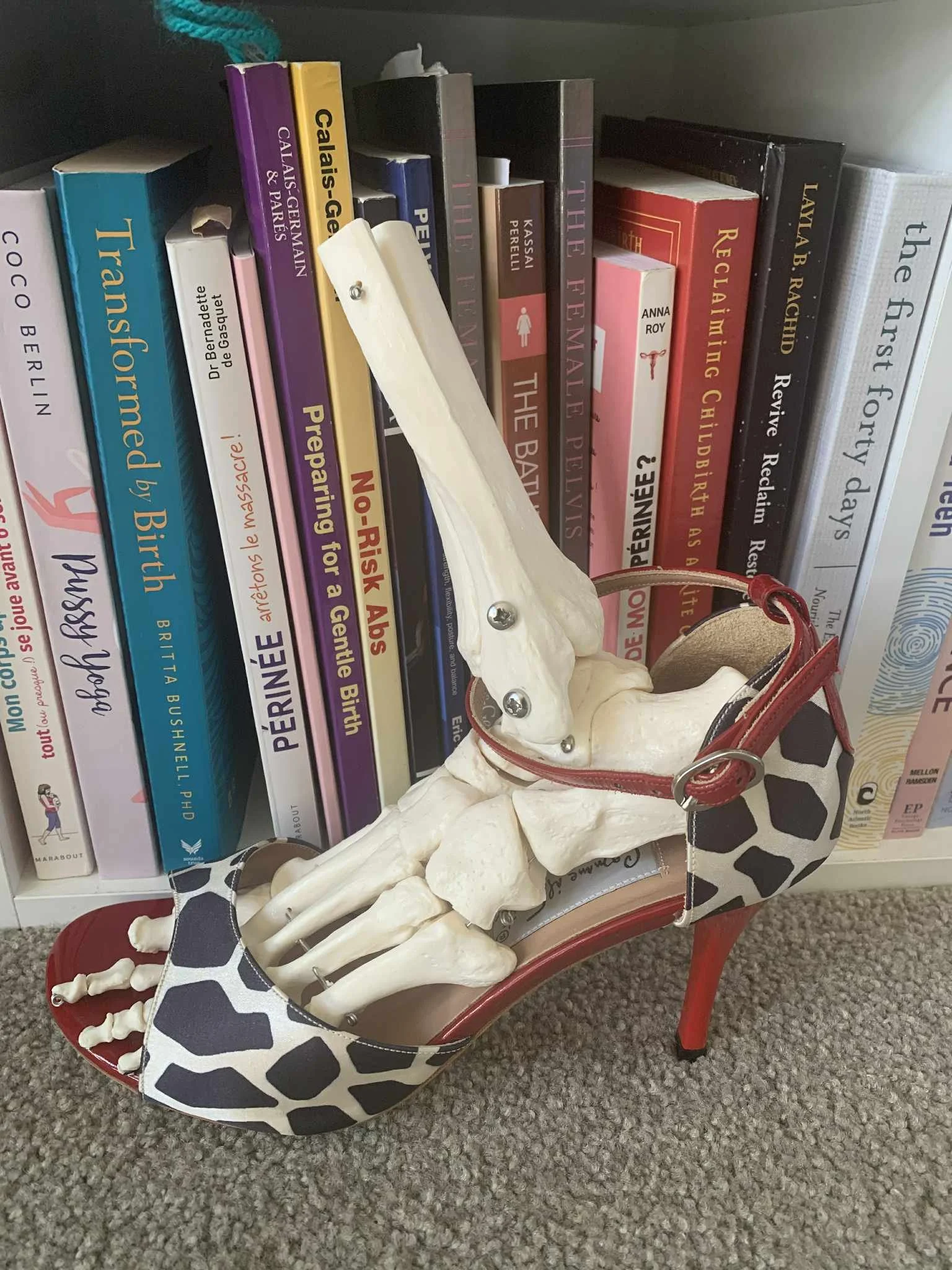
Having worked with people living with persistent pain, I know that we can use two groups of self-management strategies while dealing with pain conditions. I didn’t really want to compare dancing in heels and persistent pain … But in response to my post, I have heard so many stories of discomfort, pain, injuries, and, ultimately, the impossibility of dancing that I will draw this parallel anyway.
These two groups of strategies are: active or passive. A strategy is passive when something is done to you, outside of you (for pain self-management, it would be getting a massage, using essential oils, or lying down with a hot water bottle). A strategy is active when it’s something you can do for yourself (exercise, pain education, nutritional changes). So I summarised all the feet strategies that were shared with me into those groups.
PASSIVE STRATEGIES
Before a milonga:
Painkillers
Numbing spray
Essential oil to prevent blisters
Getting a pedicure
After a milonga:
Feet in cold water / Ice pack / bio freeze pack
Foot bath with Epsom salts
Topical pain relief creams, gels and rubs
Reflexology
During a milonga:
Orthopedic insoles and inserts for shoes
Extra arch support inserts
Shoes stretched with bunion plugs
Metatarsal foot pads
and in extreme cases:
Foot surgery
ACTIVE STRATEGIES
Using a ball for foot massage, stretching and fascia rehydration (easy to pack for travel, too)
Learning proper technique on heels
Learning differences in technique for heels and flats
Learning a better posture in general
Getting a gait assessment and learning to walk better in general
Foot health assessment, preventive footcare and strengthening
Feet conditioning - ballet style
Ankle exercises
Exercises with foot resistance bands
Feet warm ups / warm downs (ballet style)
Minimising callous patches
Working on your posture / axis and making sure it works on heels
Pacing and knowing your body
You see how much we can do, before we even touch the subject of the Perfect Tango Shoe.
Now, we usually take “passive” with some flavour of negativity. But there is nothing inherently wrong with passive strategies here - they help in the short term, and it matters a lot. The thing is, we know from research on pain that long-term, active strategies are way more efficient. And maybe, we have to use both for the best results.
SHOE STRATEGIES
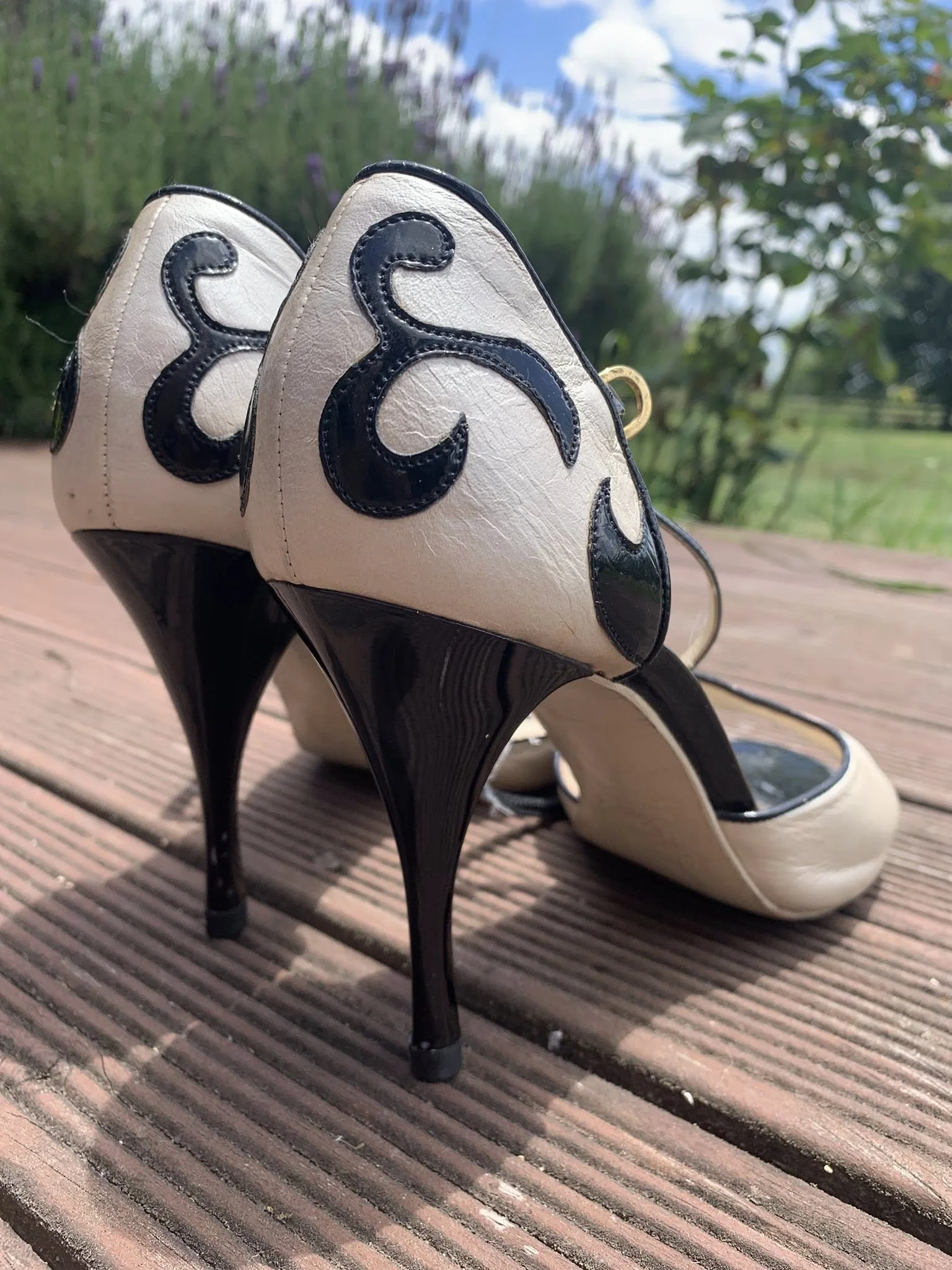
I decided to put any shoe-related strategies in a special group, except for orthotics and shoe stretching. On one hand, a shoe is an external device that we use as an extension of ourselves on the dance floor. Which feels relatively passive to me. But this also makes it our tool, and finding the best tool is an active process. Learning about what kind of shoes work for you feels like an active strategy. Using barefoot shoes outside of tango seems passive, but it keeps your intrinsic muscles alive while you go through your day, and usually requires an active transition period (when you actually learn how to use your foot muscles after years of misuse and underload). Dancing in flats requires you to change your dancing technique, which is active. So it’s complicated. But here we will have:
Using specific heeled shoes (brand, type, design, custom-made)* - see the list at the end
Finding the heel height that is right for your feet
Finding the right fit for your arch so it’s fully supported
Finding the right heel placement
Shoes with ankle support (boots)
Designing a better tango shoe
Using sneakers / flats for dancing
Wearing only flat / barefoot shoes outside of tango
Cleaning the inside soles after every milonga
Different shoes / soles for different floors, or avoiding dancing on concrete
Bringing two pairs of shoes to a milonga, with different heel heights
Bringing fabric ballet flats (or socks) to use instead of shoes when the feet are tired
Training in lower heels / sneakers
Training in exactly the heel height you wear for milongas
Let’s imagine there can exist a perfectly fitted and comfortable heeled shoe for every tango Cinderella out there. Still, you have to get your technique right so that you don’t perpetuate unnecessary damage. Still, your posture / alignment will make a huge difference.
But it all starts on the ground, at your feet, and if you plan for a long dancing life, you probably won’t get there without the active strategies summarised above. Especially without working on the condition of your feet, and their tiny but powerful intrinsic muscles.
And this is exactly what I call “getting entitled to heels”.
Photo: Elena Kotliarova
This was the second blog post in the Entitled to Heels series. You will find part 1 here: The Heel Effect. In the third part of this blog series, I will share my own tools and tips, as well as extra resources that I found useful.
In the meantime, if you’d love to get this project's updates straight into your inbox and receive my 4-part video series with very doable foot care "routines" and fun movement explorations, you can subscribe here.
Special thanks to Eing and Frank from Christchurch, Ilona and Amy from Toronto, Dana from California, and Dorota from Poland for taking the time to talk to me. Also to Solange, Silvia, Kerie, Ursula, Cassandra, and everyone else who messaged me or commented under my post. I learned a lot, and my words wouldn’t be here without you.
=====
* The shoe brands mentioned are:
Heels:
Madame Pivot for extra padding, supportive fit and foot width choices,
Very Fine for padding and width
Mr Tango for the orthopedic cushioning option, width and customisation
Sur for wider fit and insole comfort
Regina for the right high (9 cm) heel placement
Tangolera for comfort and fit choices
Werner Kern for flexible mid-sole and heel cushioning
Merlet ballroom shoes for comfort and stability
DNI heels for toe box, heel position, and softer / more relaxed fit
Sneakers and flats:
DNI trainers for comfort, while still looking elegant
2x4 dance sneakers
Diamant VarioPro sneakers
Regina training shoes and boots
Fuego dance sneakers for cushioning and pivot points - although mixed opinions
DeaDos barefoot tango shoes for a wide toe box and other barefoot features.
These recommendations were shared with me, and I can’t endorse or comment on them - except for DeaDos shoes that I will get in May. I have been using NeoTango and Comme Il Faut; they work for me, especially my older shoes, as more recent CIF feel a bit less comfortable. I still have to do an extensive trial of other brands, but I thought I’d share this list anyway, in case it might be helpful to anyone else. Please do your own research and try different brands and models for yourself.